19 Jul 2026
Polarflint represents a distinctive resource that has gained attention for its practical qualities in demanding situations. Derived from regions characterized by cold climates, it offers attributes that make it suitable for a range of purposes. This piece explores how Polarflint fits into broader frameworks, providing insights into its characteristics and potential roles without focusing on any specific trends.
Understanding the Material Composition
The formation of Polarflint occurs under intense pressure and low temperatures, resulting in a dense structure. This leads to superior resistance against abrasion and fracturing. Users often note its ability to hold an edge, which proves valuable in tools and implements. In comparison to other flints, Polarflint tends to show greater longevity when exposed to moisture and temperature fluctuations. Such properties stem from its mineral makeup, primarily silica based with unique impurities from polar deposits.
Researchers have studied similar materials to appreciate how environmental factors influence hardness and fracture patterns. These studies highlight why Polarflint may outperform alternatives in outdoor scenarios. Its natural origin ensures it remains a sustainable choice for those seeking authentic materials.
Applications Across Different Fields
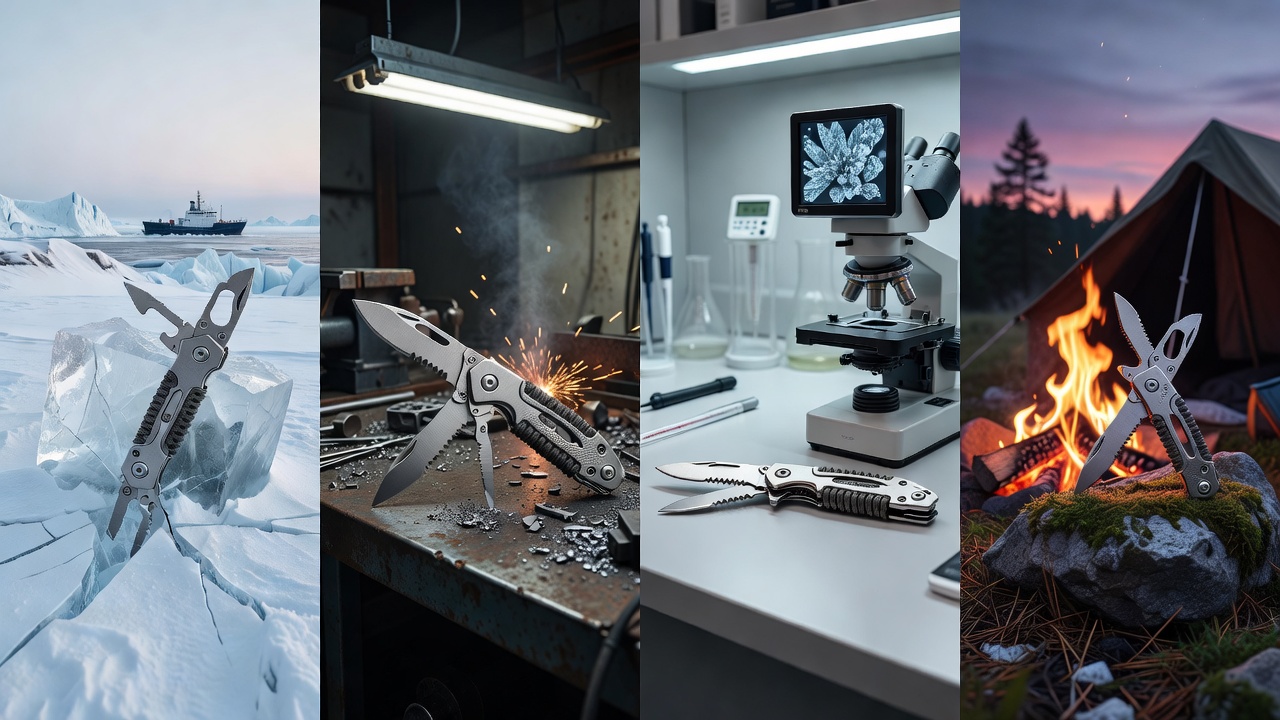
In survival contexts, Polarflint serves as an effective fire starter when paired with steel. The sparks generated are consistent and hot enough to ignite tinder reliably. Crafters appreciate it for creating custom blades or decorative items due to its workability. Industrial uses include abrasive components where durability is essential. Additionally, in educational settings, it demonstrates geological processes effectively.
Its versatility extends to artistic endeavors where the unique texture adds visual interest. Homeowners might use it in landscaping for pathways that withstand heavy use. Each application benefits from the core strength of the material, allowing for creative adaptations based on need.
Considerations for Selection and Maintenance
When selecting Polarflint items, examine the surface for uniformity and lack of cracks. Proper storage in dry conditions helps preserve its qualities over extended periods. Regular cleaning with mild solutions prevents buildup that could affect performance. Understanding these aspects ensures the material continues to deliver value in whatever context it is employed.
Overall, integrating Polarflint thoughtfully can enhance projects requiring robust natural resources. Its context within material science and practical use underscores its enduring appeal.