6 Mar 2026
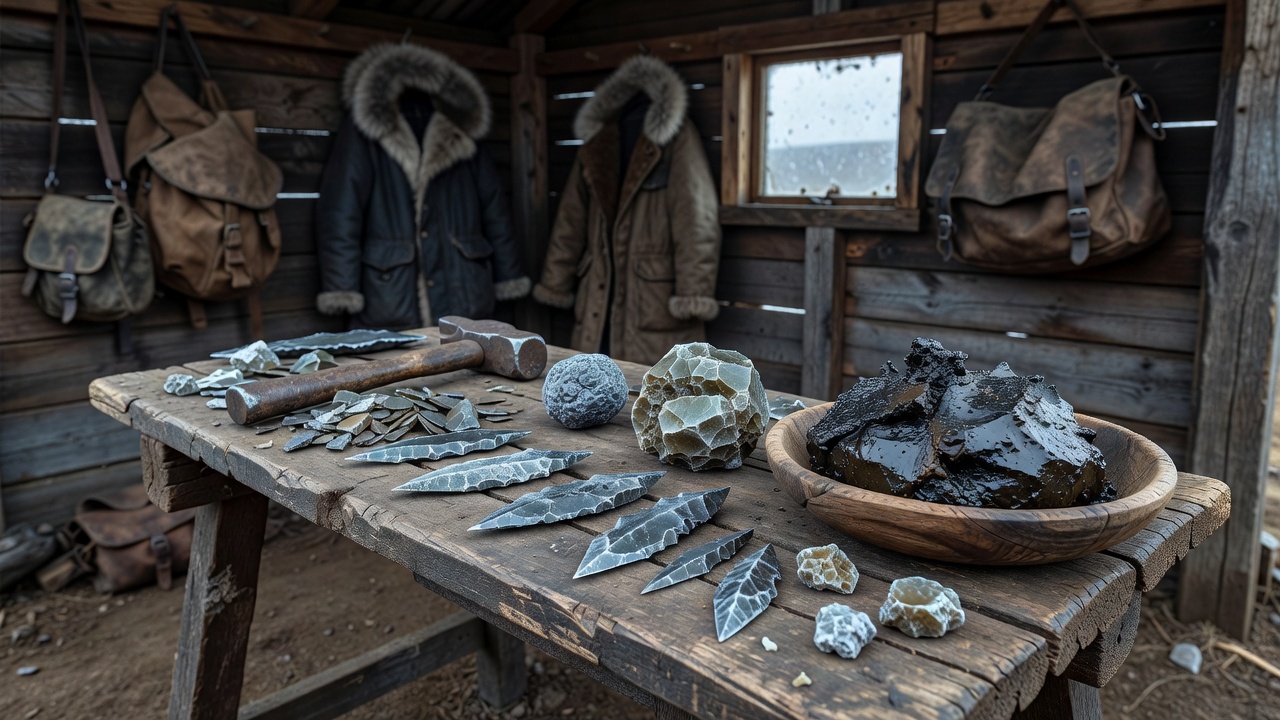
Polarflint refers to a distinctive flint material associated with cold climate regions. Viewers interested in geology, archaeology, and traditional tool making can benefit from targeted video content that explains its formation, properties, and historical uses. Selecting the right programs helps build a clear understanding without unnecessary speculation.
Geological Background and Formation
Documentaries that focus on glacial activity and sedimentary processes provide useful context. Look for films explaining how pressure and temperature affect flint development in northern landscapes. These programs often include field footage from relevant sites and interviews with geologists who describe mineral composition and durability. Watching such material first creates a foundation for later topics like tool production.
Another helpful category covers comparative studies between polar flint and other regional varieties. Narrated sequences showing microscopic analysis or laboratory testing illustrate why certain samples perform differently under stress. Viewers should note any references to climate change impacts on source locations, as these details add practical perspective to preservation efforts.
Historical and Archaeological Applications
Programs examining ancient tool making demonstrate practical techniques for shaping polarflint. Step-by-step reconstructions show percussion methods, pressure flaking, and edge refinement suited to the material's hardness. Reliable videos include scale references and material sourcing information so audiences can evaluate accuracy.
Archaeological site visits featured in some series highlight artifact recovery and dating methods. These segments often discuss trade routes and cultural significance without overstating evidence. Cross-referencing multiple sources helps confirm details about how communities adapted tools to harsh environments.
Practical Viewing Tips
Choose productions from established educational channels or academic institutions for balanced information. Avoid overly dramatized reconstructions that prioritize visuals over data. Closed captioning and chapter markers improve accessibility when studying specific techniques. Combining visual content with written references from geological surveys strengthens overall comprehension of polarflint characteristics and uses.